

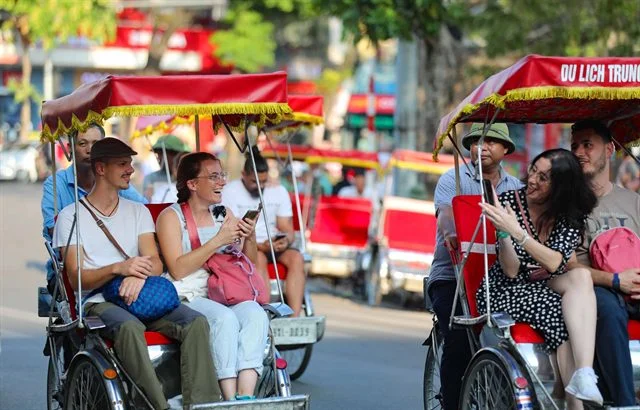
Vietnam Travel Guide for European Visitors
Content []
Vietnam can feel wonderfully unfamiliar at first.
The streets are lively, the food is full of flavour, mornings begin early and every destination has its own rhythm. But once you understand a few basics, travelling through Vietnam becomes surprisingly comfortable.
Here is what European travellers should know before their journey.
Getting Around Vietnam
Vietnam is long and geographically diverse, so choosing the right transportation can make a significant difference to your trip.
For longer distances, domestic flights are often the most convenient option, especially when travelling between Hanoi, Central Vietnam and Ho Chi Minh City.
For shorter journeys, private cars and transfers offer more comfort and flexibility. They are particularly useful for airport transfers, countryside excursions and journeys between nearby destinations.
For a more memorable experience, travellers can also consider Vietnam's overnight trains, especially on routes where the journey itself becomes part of the experience.
Rather than trying to fit too many destinations into one itinerary, consider spending several nights in each place and travelling between them comfortably.
Money & Payments
The local currency is the Vietnamese Dong (VND).

Cards are widely accepted in hotels, upscale restaurants, shopping centres and many established businesses. However, cash remains useful for smaller restaurants, local markets, street food and independent shops.
It is worth keeping some Vietnamese Dong with you, particularly when exploring smaller towns or rural areas.
For luxury travellers, most hotels and high-end services can arrange convenient payment options, making everyday spending relatively straightforward.
What About Food?
Vietnamese cuisine is one of the highlights of travelling here.
Every region has its own specialities. Northern cuisine is often known for its balanced flavours, Central Vietnam for its distinctive and sometimes more intense dishes, while Southern cuisine tends to feature sweeter flavours.
Do not limit yourself to hotel restaurants.
A bowl of pho in the morning, fresh seafood by the coast, a small local restaurant in Hoi An or Vietnamese coffee enjoyed at a quiet street corner can become some of the most memorable moments of the journey.
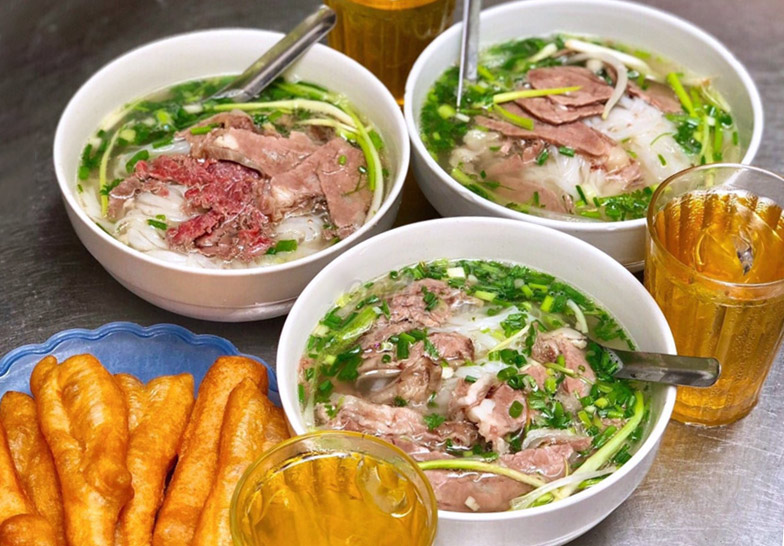
Travellers with dietary requirements should communicate them clearly when ordering. In larger hotels and restaurants, special dietary requests are generally easier to accommodate.
Staying Connected
Internet access is widely available throughout Vietnam.
Most hotels, resorts, cafés and restaurants offer Wi-Fi, while travellers can also use a local SIM or eSIM for mobile data.
Having mobile internet is particularly useful for navigation, translation, ride-hailing and checking travel information while moving between destinations.
For a seamless luxury experience, arranging connectivity before arrival can make the first few hours of your trip much easier.
Understanding Vietnamese Culture
One of the most rewarding parts of travelling in Vietnam is experiencing everyday local life.
Vietnamese culture places importance on politeness, family and respect for elders. When visiting temples, pagodas or other religious places, modest clothing is appropriate.
It is also worth asking permission before photographing people, particularly in smaller communities.
You do not need to know every cultural rule before arriving. A respectful attitude, patience and a willingness to observe local customs will take you a long way.
What Should You Pack?
Vietnam's climate varies considerably from north to south, so packing should depend on your itinerary and travel dates.
Lightweight clothing is useful for warmer regions, while a light jacket may be needed in Northern Vietnam during cooler months.
Comfortable shoes are essential if you plan to explore cities, heritage sites or local neighbourhoods on foot.
For resort stays, bring swimwear, sun protection and something slightly more formal for evenings at upscale restaurants.
A compact umbrella or light rain jacket can also be useful, particularly during the wetter months.
Choosing Your Accommodation
Vietnam offers an impressive range of accommodation, from boutique heritage hotels to international five-star resorts and private villas.
For European travellers seeking a more refined experience, consider choosing accommodation based not only on its star rating but also on location, privacy, service and the character of the property.
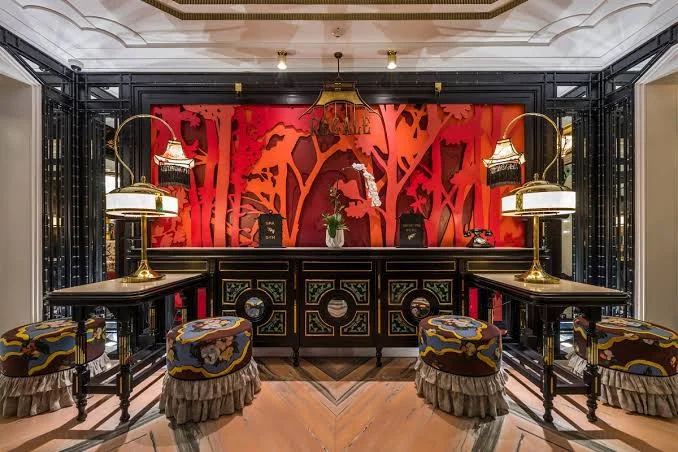
A heritage hotel in Hanoi creates a very different experience from a beachfront villa in Phu Quoc or a riverside retreat in Hoi An.
The best choice depends on how you want to experience each destination.
Travel Slowly
Perhaps the most important thing to remember is that Vietnam is not a destination to rush through.
Leave time for an unplanned coffee. Walk through a small neighbourhood without following a strict itinerary. Stop for lunch somewhere that catches your attention. Spend an evening simply watching life move along the streets.
Luxury travel is not always about adding more to your itinerary.
Sometimes, it is about having enough time to enjoy where you already are.
Come prepared for the essentials, but leave room for the unexpected. That is often where Vietnam becomes most memorable.
Read this next


.webp)