
Hoi An travel guide 2026: Best things to do & local tips
Content []
1. What makes Hoi An unique
Hoi An stands out not because it has more attractions than other destinations in Vietnam, but because of how everything comes together in a relatively small, walkable space. You don’t need to travel far to experience culture, food, nature, and a slower rhythm of life—all of it exists within a short distance.
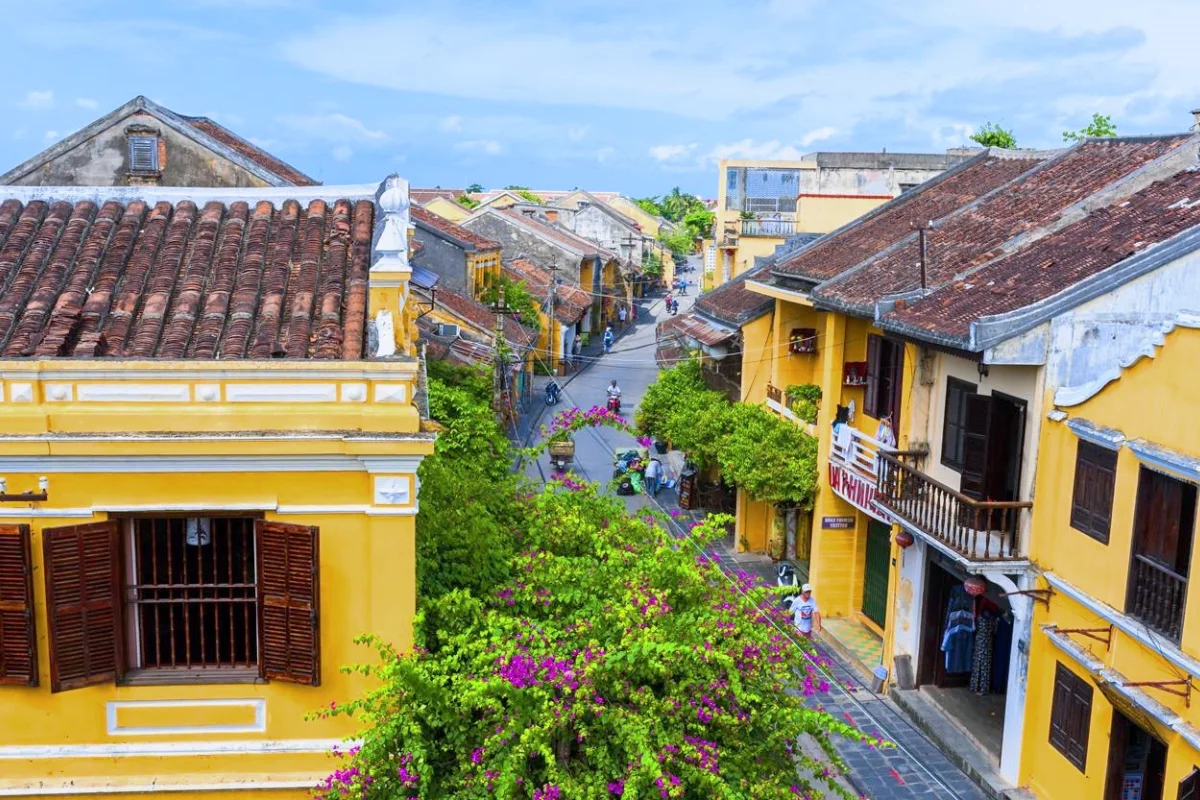
One of the most distinctive aspects of Hoi An is its human scale. The Old Town is compact, with narrow streets, low-rise buildings, and very limited traffic. This makes it one of the few places in Vietnam where you can explore almost entirely on foot without feeling overwhelmed. Instead of rushing from one attraction to another, you naturally move more slowly, noticing details you might otherwise miss.
Culturally, Hoi An reflects a layered history shaped by Vietnamese, Chinese, and Japanese influences. You see this not in museums, but in everyday architecture, wooden shop houses, assembly halls, and small temples that are still part of daily life. Unlike larger cities where history can feel distant, here it feels integrated into the present.
Another factor that makes Hoi An unique is the contrast between environments. Within just 10–15 minutes, you can move from the busy Old Town to quiet rice fields, riverside paths, or even the beach. This flexibility allows you to shape your experience based on how you feel that day, whether you want activity, rest, or something in between.
In 2026, Hoi An is more popular than ever, which means certain areas, especially the Old Town in the evening, can feel crowded. However, this doesn’t reduce its value. It simply means that how you explore matters more than where you go. Visiting early in the morning, stepping into less obvious streets, or spending time outside the central area can completely change your experience.
What keeps Hoi An worth visiting is not just what you see, but how it makes you feel. When approached with a bit more intention, it offers something that many destinations struggle to deliver: a slower, more grounded way of traveling that stays with you long after the trip ends.
2. Best things to do in Hoi An
Hoi An is often described as a place with “not much to do,” but that only applies if you approach it like a checklist destination. In reality, what makes Hoi An memorable is not the number of attractions, but how you experience them—and when.
Instead of trying to see everything, it’s more effective to focus on a few activities and give yourself enough time to experience them properly.
2.1. Experience the Old Town at the right time
The Old Town is the center of Hoi An, but timing makes a significant difference in how it feels.
Early in the morning, before 8 AM, the streets are quiet and mostly local. Shop owners are opening their doors, cafés are just starting to fill, and the atmosphere feels calm and unfiltered. This is the best time to walk without a plan, take photos, or simply observe daily life.
In the evening, the Old Town transforms completely. Lanterns light up the streets, the river reflects warm colors, and the area becomes more vibrant—but also more crowded. While it’s worth seeing at least once, it’s better to focus on specific streets or spend time along the river rather than trying to move through the busiest areas.
2.2. Explore the countryside by bicycle
One of the most rewarding experiences in Hoi An is leaving the Old Town behind and heading into the surrounding countryside.
Cycling through areas like Tra Que vegetable village or Cam Thanh offers a completely different pace. The roads are quieter, the air feels fresher, and the landscape opens up into rice fields and small farms. You don’t need a fixed route—just moving slowly through these areas is enough. This is best done in the early morning or late afternoon, when temperatures are lower and the light makes the scenery more enjoyable.
2.3. Take a cooking class that feels authentic
Cooking classes are one of the most popular activities in Hoi An, but the experience can vary widely depending on how they are organized.
The better classes usually begin with a visit to a local market, where you learn about ingredients before heading into the cooking session. This adds context and makes the experience feel more connected to local life rather than just a demonstration.
Smaller group classes tend to feel more personal and less rushed. Instead of focusing on how many dishes you make, it’s worth choosing a class that allows you to take your time and understand the process.
2.4. Spend time by the river without an agenda
The Thu Bon River runs through the center of Hoi An, but one of the most overlooked experiences is simply spending time there without a specific activity.
In the late afternoon, the light softens and the pace of the town slows slightly. Sitting at a riverside café, watching boats pass, or just walking along quieter sections of the river can be surprisingly restorative. This is also where you’ll see the lantern boats in the evening. While it’s a popular activity, you don’t necessarily need to join one. Observing from a quieter spot often offers a better experience.
2.5. Visit An Bang Beach the slow way
An Bang Beach is one of the easiest escapes from the Old Town, but it’s best experienced at the right time of day. Early morning is ideal if you want a quieter atmosphere, with fewer people and softer light. Late afternoon is also a good option, especially if you stay through sunset. Midday tends to be hotter and more crowded, with a more commercial feel. If your goal is relaxation, adjusting your timing makes a noticeable difference.
3. Where to stay in Hoi An
Where you stay in Hoi An has a bigger impact on your experience than most people expect. The town itself is small, but each area offers a very different atmosphere. Choosing the right location is less about distance, and more about how you want your days to feel.
3.1. Staying in the Old Town: Convenient but busy
If it’s your first time in Hoi An, staying within or very close to the Old Town can make things easier. You’ll be within walking distance of most attractions, restaurants, and cafés, which is especially convenient for short stays.
However, this convenience comes with trade-offs. The area can be crowded from late morning until evening, and the constant flow of visitors can make it harder to fully relax. Noise levels are also higher, particularly in the evening when the lantern area becomes more active.
3.2. Riverside Areas: A Better Balance
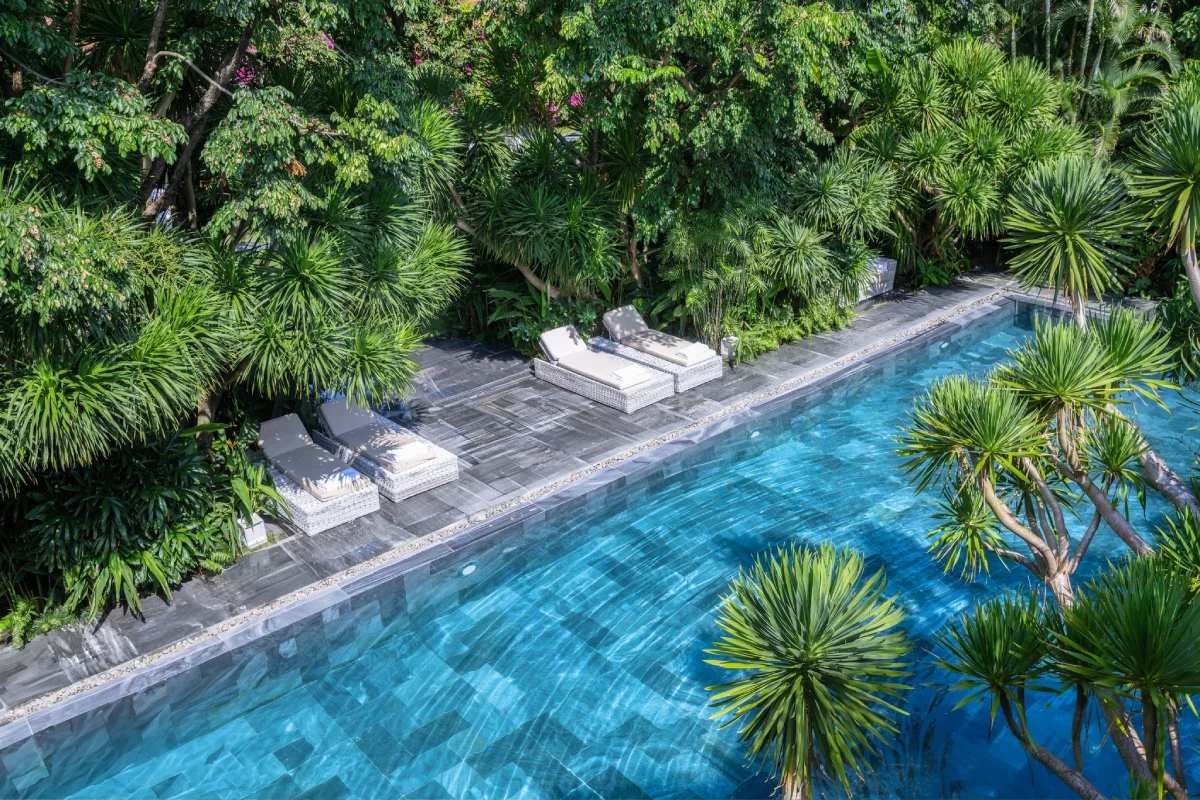
Areas along the river, slightly outside the Old Town, offer a more balanced experience. You’re still close enough to reach the center within a few minutes, but far enough to avoid the busiest crowds. The atmosphere here is noticeably calmer. Many boutique hotels and small resorts are designed with open spaces, greenery, and slower service rhythms. This makes it easier to return to a quiet environment after spending time in the Old Town.
3.3. Countryside (Cam Chau, Cam Thanh, Tra Que): Quiet and more restorative
If your goal is to slow down and experience Hoi An in a more mindful way, staying in the countryside is a strong option.
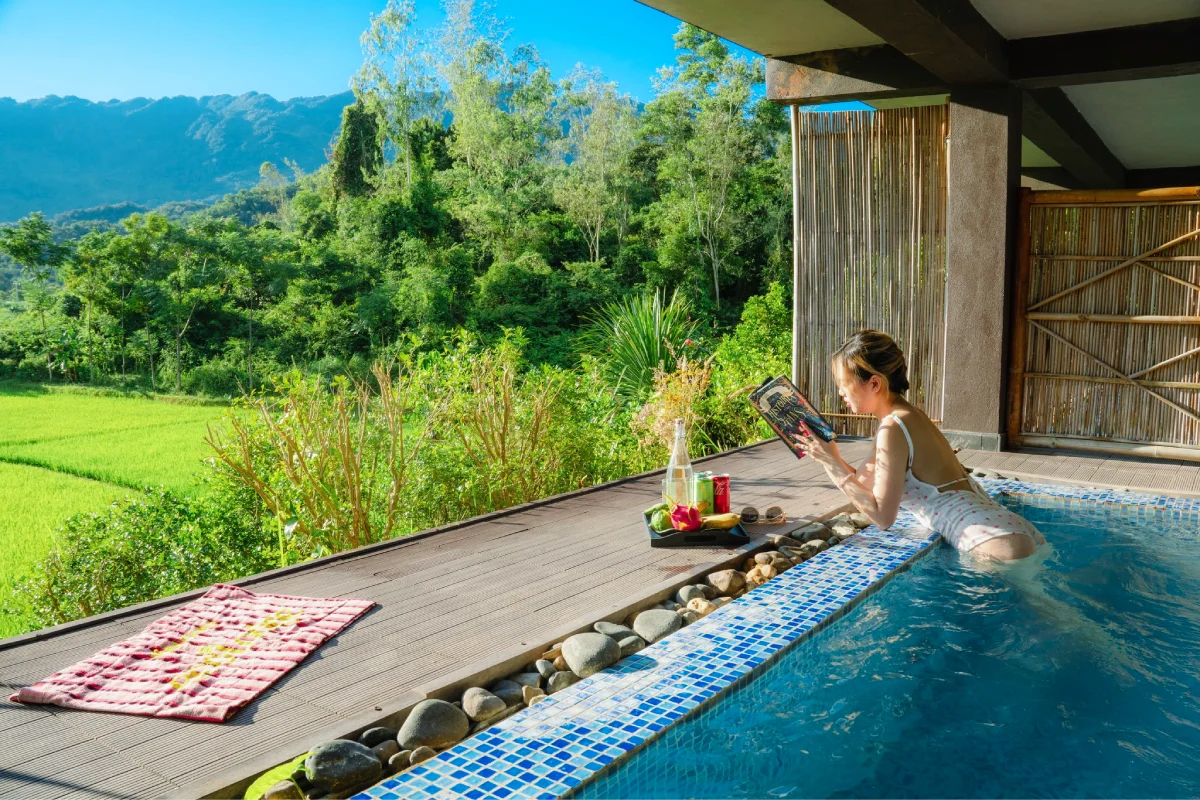
Areas like Cam Chau, Cam Thanh, or near Tra Que vegetable village offer a completely different atmosphere. You’ll be surrounded by rice fields, small roads, and local homes instead of shops and crowds. The pace is slower, and the environment feels more open and breathable.
You’ll need a bicycle or short ride to reach the Old Town, but many travelers find that trade-off worthwhile. Returning to a quiet space after a busy evening in town makes a noticeable difference in how restful the trip feels.
3.4. Beach Area (An Bang): Relaxed and spacious
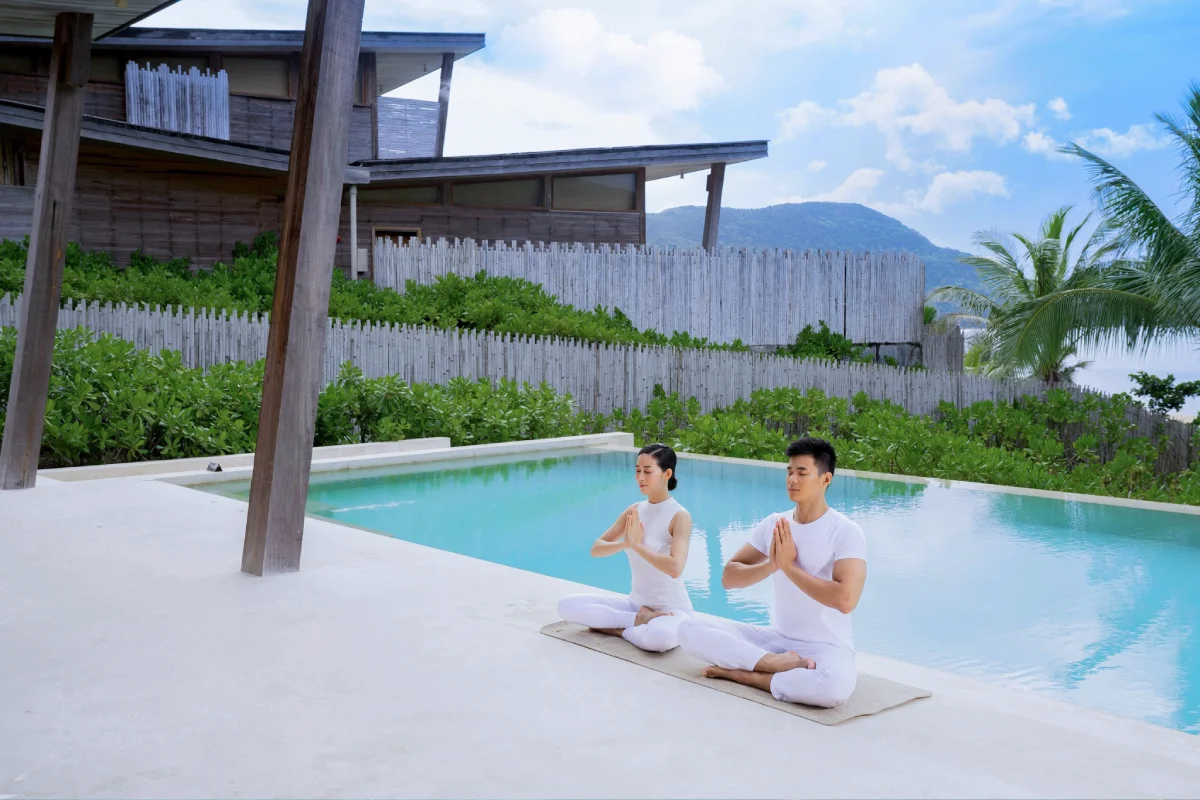
An Bang Beach offers a more laid-back coastal experience, about 10–15 minutes from the Old Town. Staying here gives you access to the sea, wider open spaces, and a more relaxed daily rhythm. Mornings and late afternoons are particularly enjoyable, with fewer crowds and a softer atmosphere compared to midday.
However, the beach area can feel less connected to the cultural side of Hoi An, especially in the evening. It’s better suited for travelers who want to combine Hoi An with a more traditional beach stay. In Hoi An, where you stay shapes how you experience the destination. A more central location gives you convenience, but stepping slightly outside often gives you something more valuable: space, quiet, and a rhythm that feels easier to settle into.
4. Practical local tips
Hoi An is relatively easy to explore, but small details can significantly affect your experience. Knowing when to go, where to spend time, and what to avoid will help you enjoy the destination in a more relaxed and less crowded way.
Below are practical tips that are often overlooked but make a noticeable difference:
Visit the Old Town early morning or late evening—not just “during the day”: Most guides say “visit the Old Town,” but timing is everything. Before 8 AM, the streets are quiet and feel more local. After 8 PM, the crowds start to thin again. The late afternoon (4–7 PM) is usually the most crowded.
Don’t stay only in the Old Town if you value rest: While staying in the Old Town is convenient, it can also be noisy and busy throughout the day. Areas like Cam Chau or near the rice fields offer a better balance between accessibility and quietness, especially if you’re staying more than 2 nights.
Use bicycles or short taxi rides instead of walking everywhere: Hoi An is walkable, but distances can feel longer in the heat. Renting a bicycle or using short rides (Grab/taxi) makes it easier to explore both the town and surrounding countryside without getting exhausted.
Be selective with tailor shops: Tailoring is a popular activity, but quality varies. Instead of choosing the first shop you see, take time to check fabric options, read recent reviews, and avoid overly aggressive sales approaches. A rushed decision often leads to disappointing results.
Lantern boat rides are optional, not essential: The lantern boats on the river are heavily promoted, but the experience can feel crowded and transactional. If you’re looking for a quieter moment, watching from a riverside café or walking along the river often feels more enjoyable.
Carry some cash, even if you use cards: Many restaurants and shops accept cards, but smaller vendors, local eateries, and markets still prefer cash. Having small denominations helps avoid inconvenience.
Dress for heat and humidity, not just style: Hoi An can be hot and humid for most of the year. Light, breathable clothing makes a big difference, especially if you plan to walk or cycle during the day.
Plan your day around the weather, not the clock: Midday can be too hot for outdoor activities. A better approach is to explore in the morning, rest during early afternoon, and go out again later in the day.
5. Final thoughts
Hoi An is often described as charming, but that word doesn’t fully explain why it stays with people long after they leave.
What makes it different is not the number of things to do, but how easily it allows you to change your pace. You don’t need to follow a strict plan or look for specific experiences. Simply adjusting how you move: waking up earlier, doing less, paying more attention—can completely transform your time here. Many travelers arrive with the intention of seeing everything, only to realize that the most memorable moments are often the simplest ones. A quiet walk in the morning, a slow meal, an unplanned stop by the river, these are the experiences that tend to stay with you.
Hoi An rewards a different approach to travel. The less you try to optimize your itinerary, the more you get out of it. And in a place where everything is close and accessible, giving yourself that space is not difficult.
If you approach it with a bit more intention, Hoi An becomes more than just a destination on your itinerary. It becomes a place where you slow down, even if only for a few days, and that shift is often what makes the trip meaningful.
Read this next