
Hoi An wellness travel: Slow living, herbal spa & mindful experiences
Content []
1. What makes Hoi An a true wellness destination
Hoi An doesn’t position itself as a wellness hub, but it naturally delivers many of the things people look for in one.
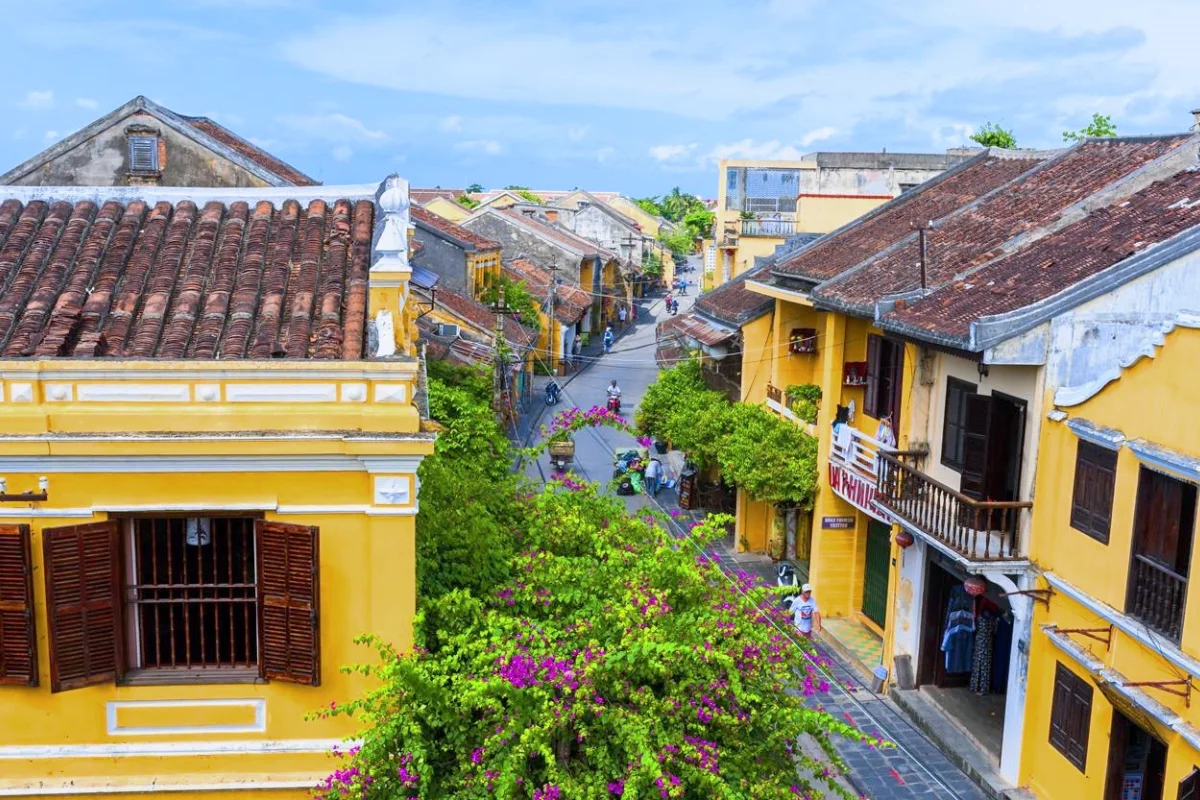
The town operates on a slower rhythm compared to most tourist destinations in Southeast Asia. Early mornings are quiet, with locals opening shops and preparing for the day, while the evenings gradually soften into a calm, lantern-lit atmosphere. This daily cycle creates a structure that encourages you to move more slowly without needing to follow a strict routine.
Another important factor is accessibility. Within just a few minutes from the Old Town, you can reach rice fields, riverside areas, and small villages. This makes it easy to alternate between light cultural experiences and complete quiet, depending on how you feel that day.
Wellness in Hoi An is not about doing more. It’s about removing friction from your day so that rest and clarity can happen naturally.
2. How to experience slow living in Hoi An
Slow living in Hoi An is not an activity you book. It’s a way you move through the destination.
Instead of planning a full itinerary, the experience works better when you allow space between activities. A typical day might start early, when the Old Town is still quiet and the streets feel almost empty. Walking along the river at this time offers a very different perspective compared to later in the day, when it becomes more crowded.
As the morning progresses, moving out toward the countryside changes the atmosphere completely. Cycling through areas like Cam Thanh or Tra Que, you’ll pass rice fields, small farms, and local homes. There is no rush, and very little noise. These transitions—from town to countryside—are what make Hoi An particularly effective for wellness travel.
To make the most of this slower rhythm, a few simple adjustments can make a big difference:
Start your day early to experience the Old Town without crowds
Leave gaps between activities instead of scheduling everything
Spend at least half a day outside the Old Town in rural areas
Limit screen time and notifications while exploring
These are small changes, but they significantly affect how restorative the experience feels.
3. Herbal spa and traditional healing in Hoi An
One of the most practical and accessible wellness experiences in Hoi An comes from its spa culture, particularly those that incorporate traditional herbal treatments.
Unlike large commercial spas, many places here focus on techniques that have been used locally for generations. Herbal compresses, foot baths with medicinal leaves, and oil-based massages using ingredients like lemongrass or ginger are common. These treatments are designed not just for relaxation, but also to improve circulation, reduce tension, and support overall recovery.
Some reliable options include:
Ozone Spa Center: Known for consistent service quality and a calm, minimal setting. Suitable if you prefer a straightforward, well-executed massage without unnecessary extras.
Palmarosa Spa: A quieter, more intimate space that focuses on natural products and a slower treatment pace. Good for those looking for a more grounded, less commercial experience.
Five Senses Spa: Offers a wider range of treatments with good value, including herbal therapies and combination packages.
In terms of pricing, most high-quality spa treatments in Hoi An range from $20 to $60 per session, depending on duration and type. Compared to other wellness destinations in Asia, this is relatively affordable while still maintaining a good standard.
For the best experience, it’s worth choosing places that prioritize atmosphere and pacing, not just price or promotion.
4. Mindful experiences beyond spa treatments
Wellness in Hoi An extends beyond spa visits. In many cases, the most meaningful experiences come from everyday activities approached with more attention.
Cooking classes are a good example. Rather than being purely instructional, many of them start with a visit to a local market, followed by hands-on preparation using fresh ingredients. The process encourages you to slow down, focus, and engage with each step instead of rushing toward the final result.
Similarly, craft-based activities such as lantern making or pottery workshops provide a different kind of mental reset. Your attention shifts to small details, and your mind naturally becomes quieter as you focus on the process. Other simple but effective experiences include:
Walking or cycling through Tra Que vegetable village
Taking a quiet boat ride along the Thu Bon River
Spending time at An Bang Beach during early morning or late afternoon
Sitting at a riverside café without a fixed plan
These activities are not marketed as “wellness,” but they create the same outcome: more presence, less distraction, and a slower internal pace.
5. Where to stay for a more restorative experience
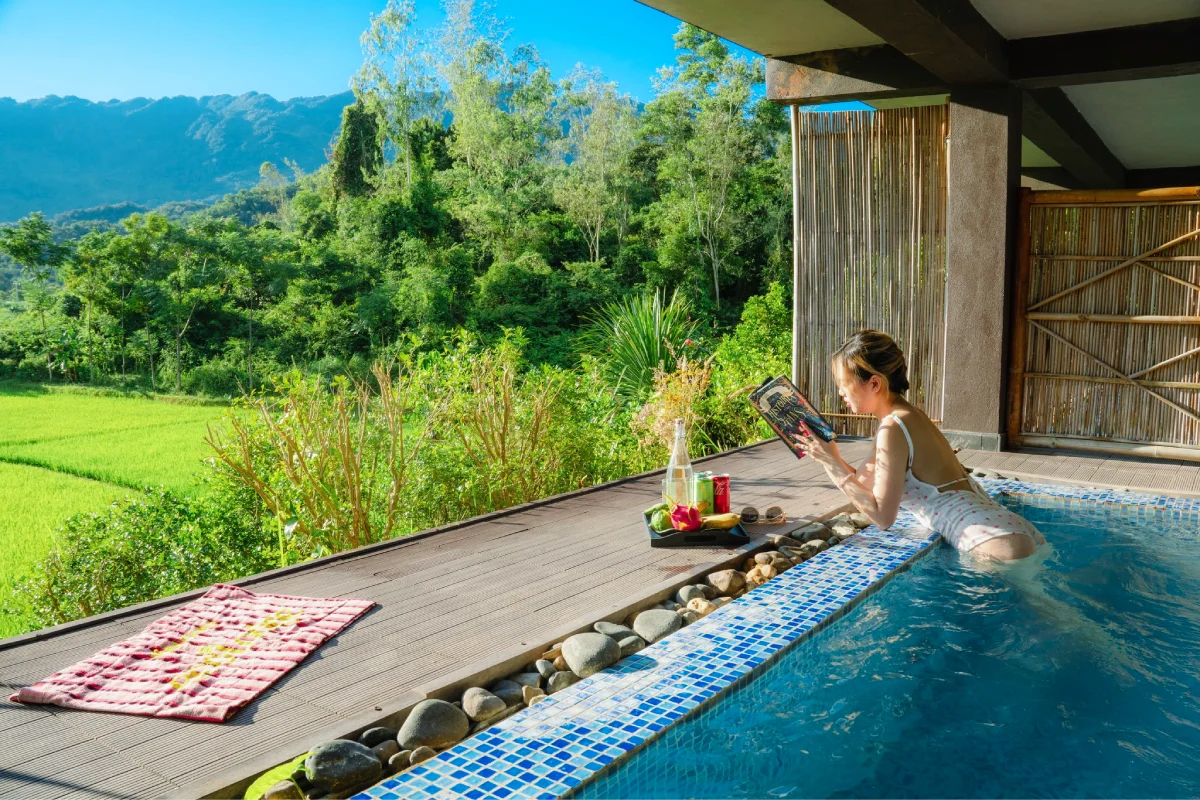
Accommodation plays a significant role in shaping your wellness experience in Hoi An. Staying directly in the Old Town offers convenience, but it can also mean more noise and constant movement. For a more balanced experience, many travelers choose accommodations slightly outside the center.
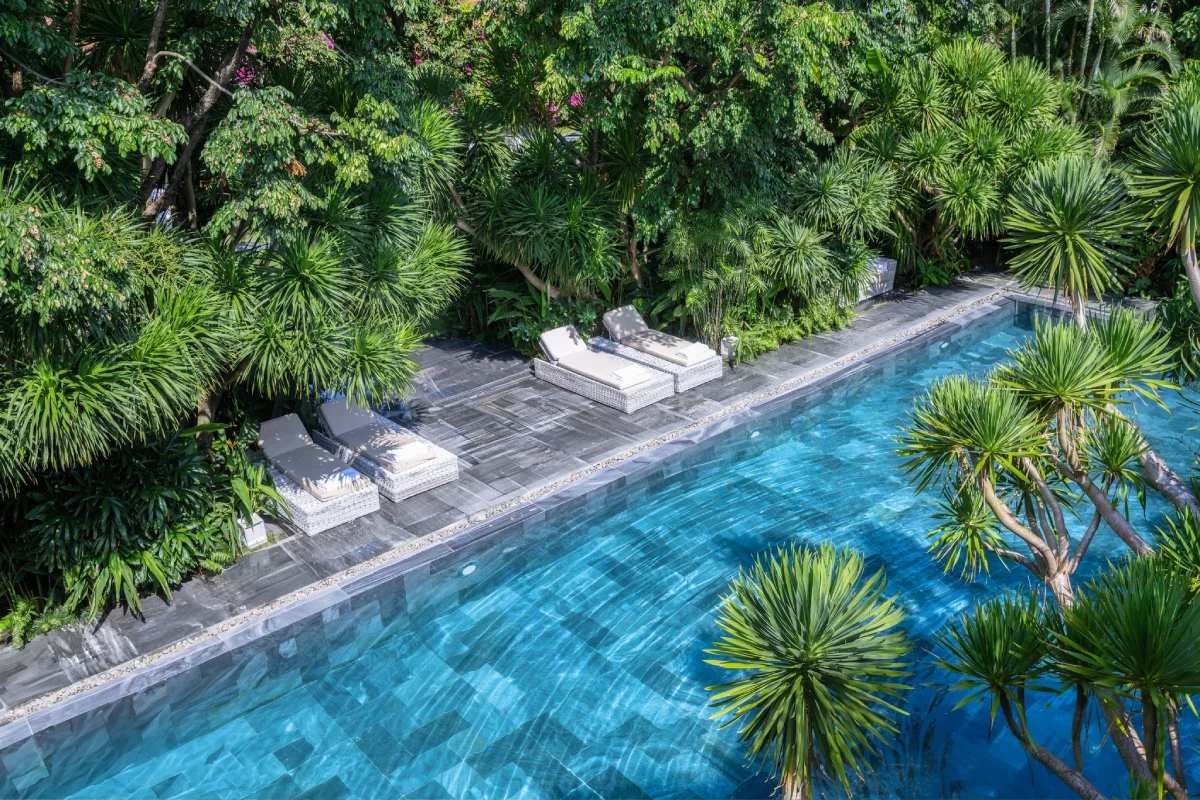
Areas near Cam Chau, Cam Thanh, or along the river provide a quieter environment while still being within easy reach of the Old Town. Properties here often have more open space, greenery, and a slower service style, which contributes to a more restful stay.
When choosing where to stay, consider:
Proximity to nature (rice fields, river, or beach)
Lower traffic and noise levels
Smaller-scale boutique properties rather than large hotels
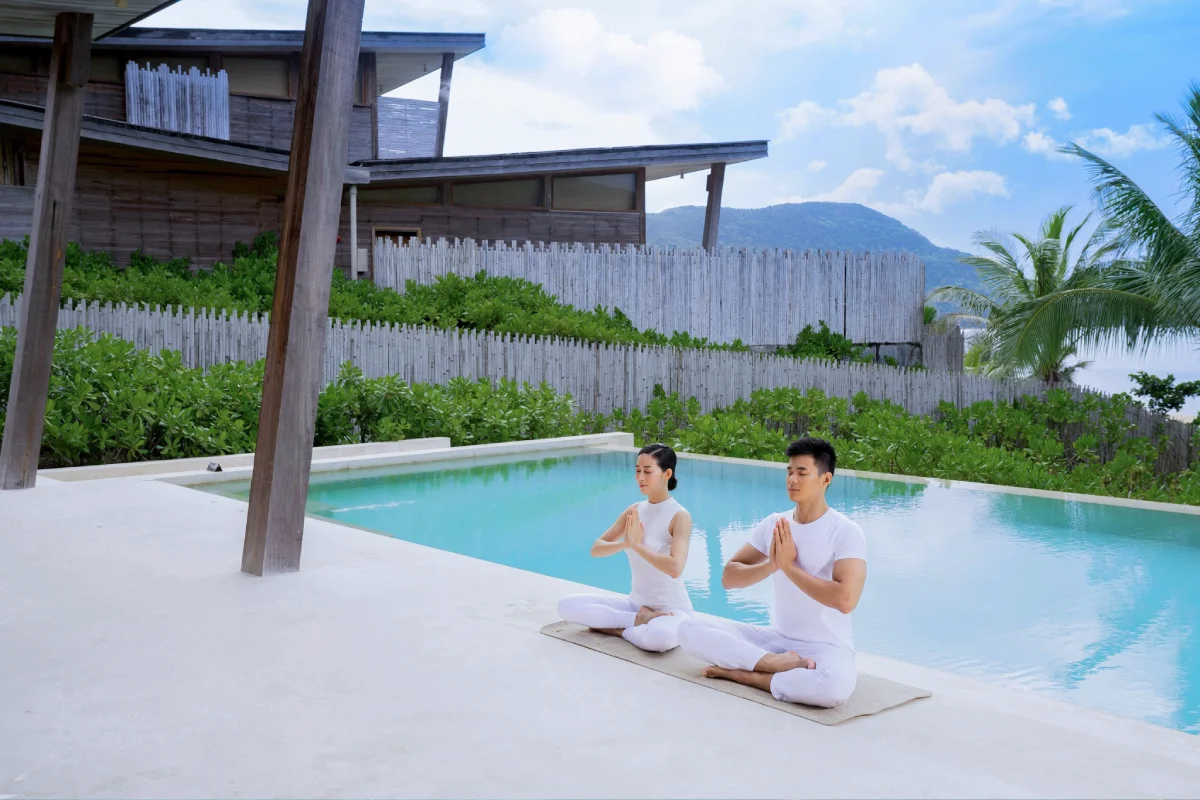
Availability of wellness-related services (spa, yoga, quiet spaces)
The goal is not luxury, but consistency of calm throughout your stay.
6. Best time to visit for a wellness-focused trip
Hoi An can be visited year-round, but certain periods are better suited for a wellness-focused experience.
The months from February to April are generally the most comfortable, with mild temperatures and lower humidity. This makes it easier to spend time outdoors and maintain a slower, more relaxed pace. From May to August, the weather becomes hotter, which may limit daytime activities but can still work if you adjust your schedule to early mornings and evenings.
If your goal is rest and quiet, avoiding peak tourist periods is important. Visiting during less crowded months allows you to experience a different side of Hoi An—one that feels more aligned with the idea of slowing down.
7. Final thoughts
Hoi An does not offer wellness in a structured or dramatic way. There are no strict programs, no pressure to transform, and no need to follow a specific path. Instead, it provides the right conditions: a slower rhythm, accessible nature, and everyday experiences that naturally bring your attention back to the present.
If you approach it with the right mindset, Hoi An becomes more than a destination. It becomes a place where doing less actually gives you more.
Read this next