
Best wellness retreats in Vietnam: Where to relax, heal & recharge
Content []
1.Why choose Vietnam for a wellness retreat?
Vietnam isn’t the first place people think of when it comes to wellness, but that’s exactly why it works.
Instead of feeling commercialized, wellness here feels more grounded. The landscapes are still raw, the pace of life is naturally slower, and many of the experiences: herbal therapies, traditional massage, mindful cooking, come from real local practices rather than imported trends.
Another advantage is diversity. Within a single trip, you can move from oceanfront stillness to mountain silence, from structured retreats to free-flowing experiences. This flexibility makes Vietnam suitable whether you’re new to wellness travel or looking for something deeper.
And compared to other destinations like Bali or Phuket, Vietnam often offers more privacy and better value, especially in high-end retreats.
2. Best wellness retreats in Vietnam
Vietnam doesn’t have just one type of wellness retreat. Some are immersive and structured, others are flexible and slow-paced. Below are some of the most well-rounded options, depending on what you’re looking for.
2.1. Six Senses Ninh Van Bay (Nha Trang)
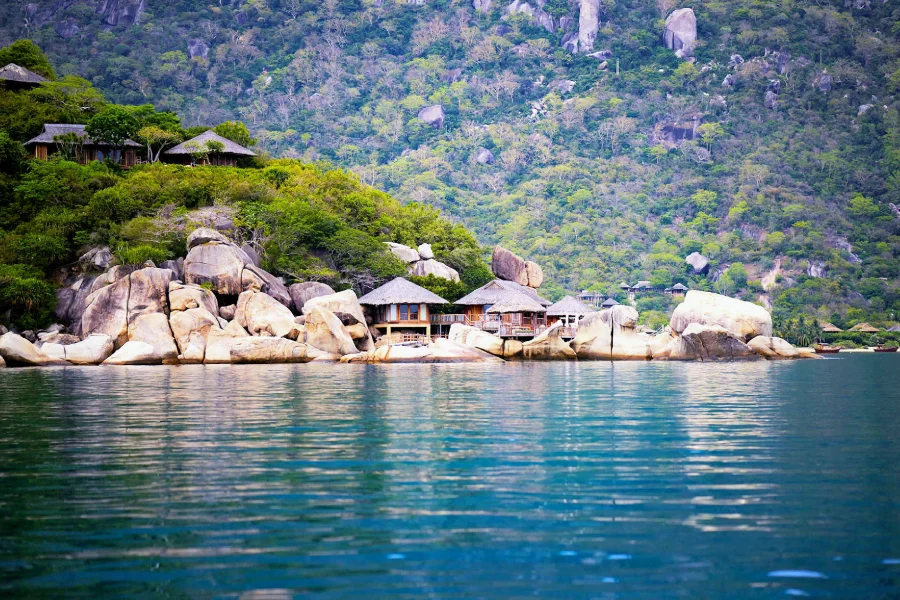
Hidden in a secluded bay and only accessible by boat, Six Senses Ninh Van Bay is designed for complete disconnection. From the moment you arrive, the outside world feels distant.
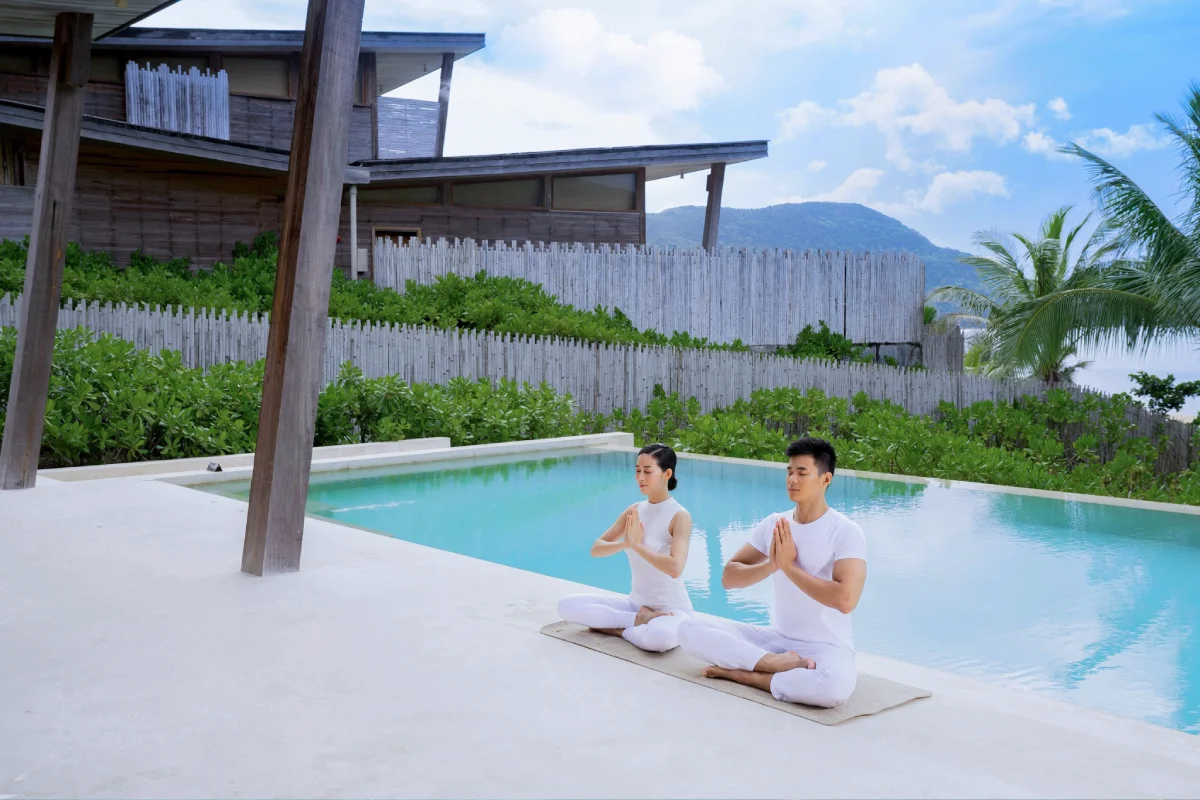
The experience here is highly personalized. You can follow a structured wellness program focused on sleep, detox, or mindfulness, or simply let your days unfold naturally, morning yoga by the sea, long quiet afternoons, and treatments surrounded by jungle and ocean views. What makes it stand out is not just luxury, but the sense of space and silence, something increasingly rare in Southeast Asia.
2.2. Amanoi (Ninh Thuan)
Amanoi is often considered one of the most refined wellness retreats in Vietnam, and for good reason.
Set within Nui Chua National Park, it offers a rare combination of untouched nature and carefully designed wellness experiences. Unlike many resorts where spa treatments are optional add-ons, Amanoi integrates wellness into the entire stay.
Multi-day programs focus on stress recovery, detox, or mental clarity, giving your body time to actually respond. It’s not about quick relaxation, it’s about gradual, meaningful restoration.
2.3. Alba Wellness Valley by Fusion (Hue)
If you prefer something less polished and more grounded, Alba Wellness Valley offers a different kind of retreat.
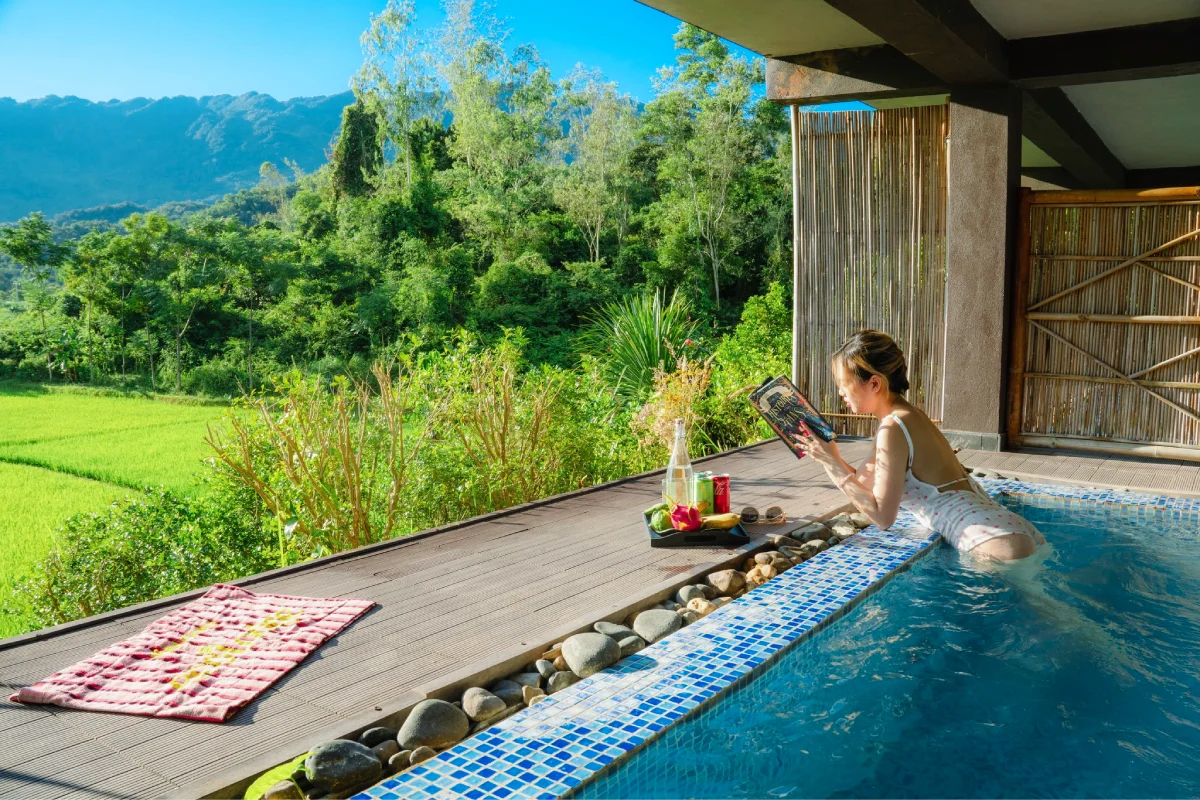
Located in a forested valley near Hue, the experience here revolves around simplicity: natural hot springs, daily onsen bathing, gentle yoga, and quiet time away from digital distractions. There’s no pressure to follow a strict schedule. Instead, the retreat encourages you to slow down in your own way, making it ideal for travelers who want something authentic and unforced.
2.4. TIA Wellness Resort (Da Nang)
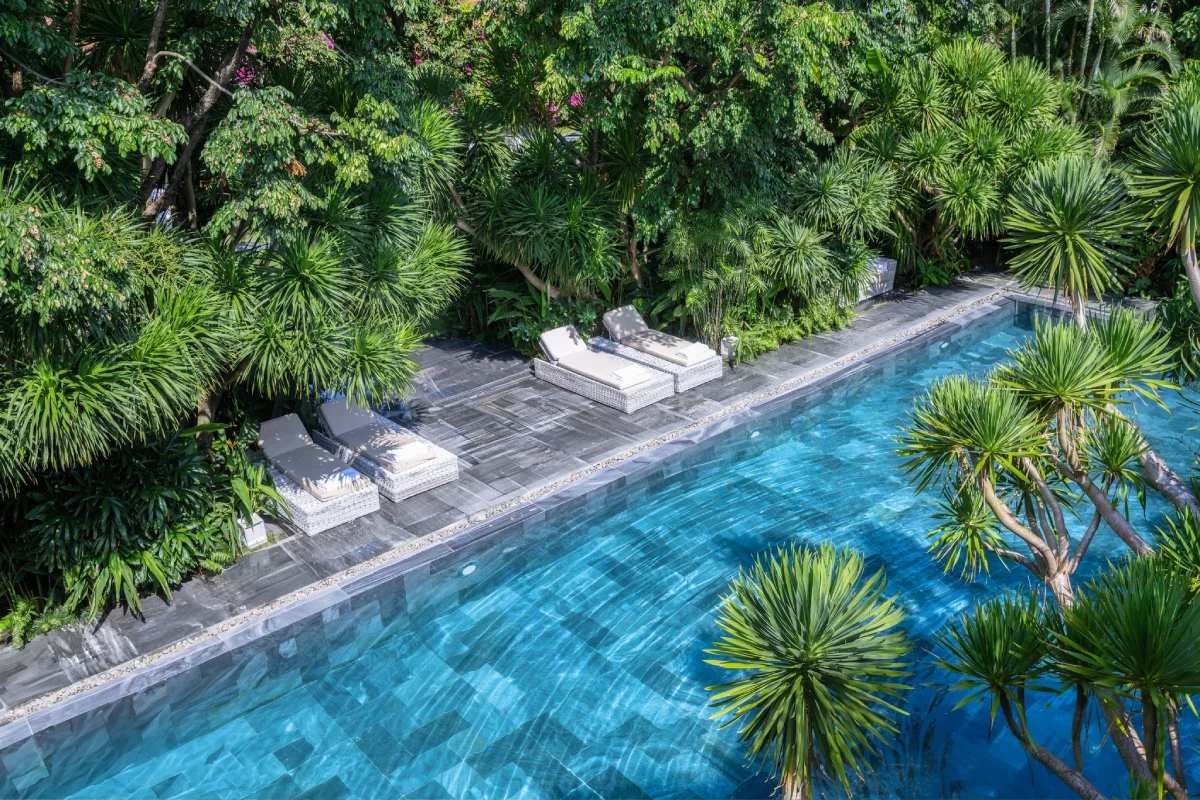
TIA Wellness Resort takes a more structured and modern approach to wellness. Each stay includes daily spa treatments, and the program often incorporates breathwork, meditation, and emotional healing sessions. The design is minimalist, with private pool villas that encourage stillness and privacy. This is a good option if you feel overwhelmed and don’t want to plan anything, everything is already designed to guide you back into balance.
2.5. Fusion Resort Phu Quoc
For those who prefer a softer, more flexible wellness experience, Fusion Resort Phu Quoc offers a different rhythm. Here, wellness is integrated into a beach holiday. Spa treatments are included, but there’s no rigid schedule. You can spend your mornings by the ocean, take a treatment when you feel like it, and let the rest of the day unfold naturally. It’s less about transformation and more about gentle recovery, which can be exactly what many travelers need.
3. How to choose the right wellness retreat
Choosing a wellness retreat isn’t just about picking the most beautiful place, it’s about finding the right fit for where you are right now. If you’re dealing with stress or burnout, a structured program with guidance can be helpful. Retreats like Amanoi or TIA provide that framework, allowing you to step out of decision-making and into a more supportive environment.
If your goal is simply to rest, then flexibility becomes more important. Beach-based retreats like Phu Quoc or quieter nature retreats offer space without pressure.
It’s also worth thinking about the environment that helps you reset. Some people need the openness of the sea, while others respond better to the quiet of mountains or forests. The setting shapes the experience more than most expect.
4. When is the best time to go?
Timing can influence not just the weather, but the overall feel of your retreat. Central Vietnam, including Da Nang and Hue, is best from February to August, when the weather is warm and dry. Phu Quoc is most pleasant between November and April, with calmer seas and clearer skies. Northern regions like Sapa or Ninh Binh are more seasonal, but spring and autumn offer the most comfortable conditions for wellness-focused travel. If possible, avoid peak tourist periods. A quieter environment often leads to a deeper, more restorative experience.
5. Final thoughts
The best wellness retreats in Vietnam don’t try to change you overnight. Instead, they create the conditions for something more subtle, space to rest, time to think, and a slower rhythm that stays with you even after you leave.
Whether you choose a luxury retreat by the sea or a quiet escape in the mountains, what matters most is not where you go, but how you feel when you return.
Read this next