
Vietnam Travel Guide for US Travelers: Everything You Need to Know
Content []
Vietnam is a destination that rewards curiosity. From the atmospheric streets of Hanoi and the limestone landscapes of Ninh Binh to the beaches of Central Vietnam and the vibrant energy of Ho Chi Minh City, the country offers remarkably different experiences within a single journey. For travelers from the United States planning their first visit, understanding a little about Vietnam’s seasons, transportation, culture, food, and travel style can make the experience more comfortable and meaningful.
Before You Travel to Vietnam?
For US travelers, one of the first things to consider when planning a trip to Vietnam is the entry process. Vietnam requires US passport holders to obtain a visa, and the country’s e-visa system makes the process relatively straightforward for international visitors. Before departure, travelers should make sure their passport meets the required validity conditions and carefully check the details of their visa, including the permitted entry points and length of stay. Because immigration regulations can change, it is always worth checking the latest official requirements before your flight

Vietnam is a long and geographically diverse country, so there is no single season that can be described as the perfect time to visit everywhere. The north, central region, and south experience different weather patterns throughout the year. Hanoi, Sapa, and Ha Long Bay can feel considerably cooler during the winter months, while Central Vietnam is known for warm weather and beautiful beaches but also has a wetter period. Southern destinations such as Ho Chi Minh City and Phu Quoc remain warm throughout the year, with clearer differences between the dry and rainy seasons. If you are planning a journey across several regions, the shoulder seasons can offer a pleasant balance between weather and travel conditions.
How Long Should You Spend in Vietnam?
For a first visit, around 10 to 14 days provides enough time to experience several sides of Vietnam without making the journey feel rushed. Rather than trying to cover the entire country, travelers can create a route that connects a few complementary destinations. A journey might begin in Hanoi, continue through the natural landscapes of Ninh Binh and Ha Long Bay, then move south toward the heritage streets of Hoi An before finishing in Ho Chi Minh City. With additional time, destinations such as Sapa, Hue, Phong Nha, or Phu Quoc can be incorporated depending on whether you are more interested in nature, history, adventure, or relaxation.

Getting Around Vietnam ?
Vietnam's size means that transportation plays an important role in planning your itinerary. Domestic flights are often the most convenient option when traveling between the north, central region, and south, particularly for visitors with limited time. Within individual destinations, private cars and local transportation can provide greater flexibility, while trains offer a slower and more scenic way to experience the countryside. For travelers seeking a more comfortable journey, private transfers can also make moving between airports, hotels, and attractions much easier, especially when traveling with family or as a couple.

Food Is Part of the Journey?
No Vietnam travel guide would be complete without talking about food. Vietnamese cuisine changes noticeably from region to region, making food itself a reason to travel through the country. Hanoi is famous for dishes such as phở and bún chả, while Central Vietnam introduces travelers to specialties such as bún bò Huế and the distinctive cuisine of Hoi An. In the south, food tends to reflect a different balance of flavors and ingredients, with an abundance of fresh produce, seafood, and tropical influences.
Discover Vietnam Beyond the Famous?
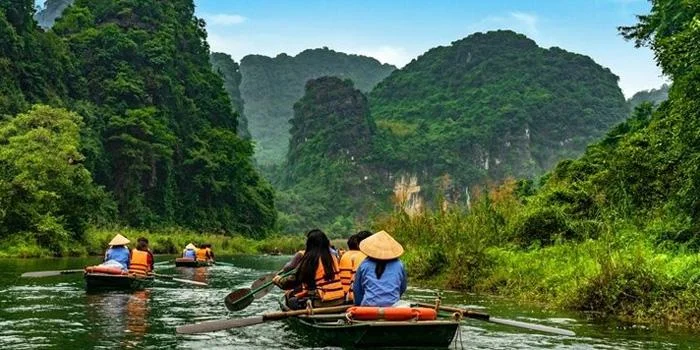
PlacesVietnam's most famous destinations deserve their reputation, but the country becomes even more interesting when you allow yourself to explore beyond the obvious highlights. Hanoi offers a fascinating combination of old neighborhoods, French colonial architecture, local markets, and contemporary cafés. Ninh Binh provides a quieter contrast, where rivers wind between towering limestone formations and rural landscapes. Ha Long Bay introduces travelers to one of Vietnam's most recognizable natural environments, particularly when experienced through an overnight cruise rather than a rushed day trip.

Understanding Vietnamese Culture?
Traveling through Vietnam becomes more rewarding when you take the time to understand the culture behind the places you visit. Vietnamese society places strong importance on family, hospitality, community, and respect, and visitors will encounter these values in everyday interactions. When visiting temples, pagodas, or other religious sites, dressing appropriately and behaving respectfully is important. In smaller communities, asking before photographing local people is also a thoughtful gesture.

What Should You Expect From a Vietnam Trip?
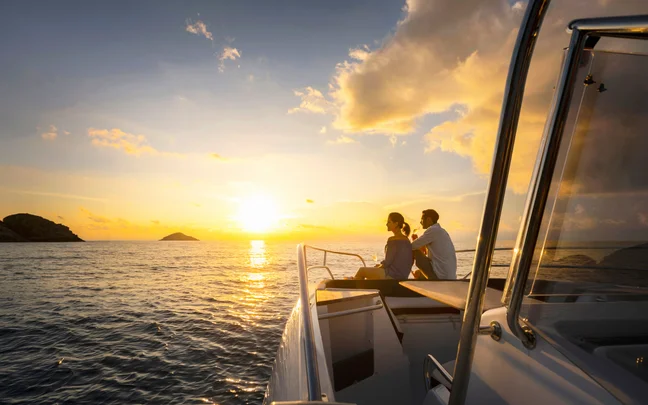
Vietnam is a destination of contrasts. Luxury resorts can sit only a short distance from traditional fishing villages. Modern cities coexist with centuries-old architecture, while sophisticated restaurants share the same streets as humble food stalls. This contrast is not something that needs to be avoided; it is part of the character of the country. For American travelers, Vietnam can also offer a different rhythm of travel. Rather than filling every day with attractions, consider leaving room for slow mornings, long meals, spontaneous café stops, and conversations with local people. Some of the most memorable moments may happen between the major destinations rather than at the attractions themselves.Planning Your First Vietnam JourneyThe ideal Vietnam itinerary depends on what you want to experience. Travelers interested in culture may gravitate toward Hanoi, Hue, and Hoi An, while those drawn to nature can combine destinations such as Ninh Binh, Ha Long Bay, Sapa, or Phong Nha. Beach lovers may prefer a journey through Da Nang, Hoi An, and Phu Quoc, while couples looking for a more romantic escape can combine cultural experiences with luxury resorts and private excursions.

Read this next