
Hue
Content []
Graceful, historic and deeply rooted in tradition, Hue invites travellers to experience a slower, more reflective side of Vietnam. Once the imperial capital of the Nguyen Dynasty, this UNESCO-listed city is home to magnificent palaces, ancient temples, royal tombs and centuries-old traditions that continue to shape its identity today. Set along the tranquil Perfume River, Hue offers a fascinating journey into Vietnam's royal past while embracing the warmth and hospitality of Central Vietnam.

Unlike Vietnam's larger cities, Hue moves at its own gentle pace. Wander through the vast Imperial Citadel, admire intricately decorated royal tombs, cruise along the Perfume River or discover peaceful pagodas hidden among pine-covered hills. As evening falls, riverside cafés and lantern-lit streets create a wonderfully relaxed atmosphere.
Celebrated for its imperial heritage and exceptional cuisine, Hue remains one of Vietnam's most rewarding cultural destinations. Whether you're passionate about history, architecture or authentic local experiences, the city promises memories that linger long after your journey ends.
Why visit Hue?
Few places in Vietnam preserve the country's history as beautifully as Hue. As the former imperial capital for more than 140 years, the city is home to extraordinary monuments that tell the story of Vietnam's last royal dynasty. Walking through the ancient gates of the Imperial City offers a fascinating glimpse into royal life, where emperors once ruled behind grand palaces, ceremonial halls and peaceful gardens.
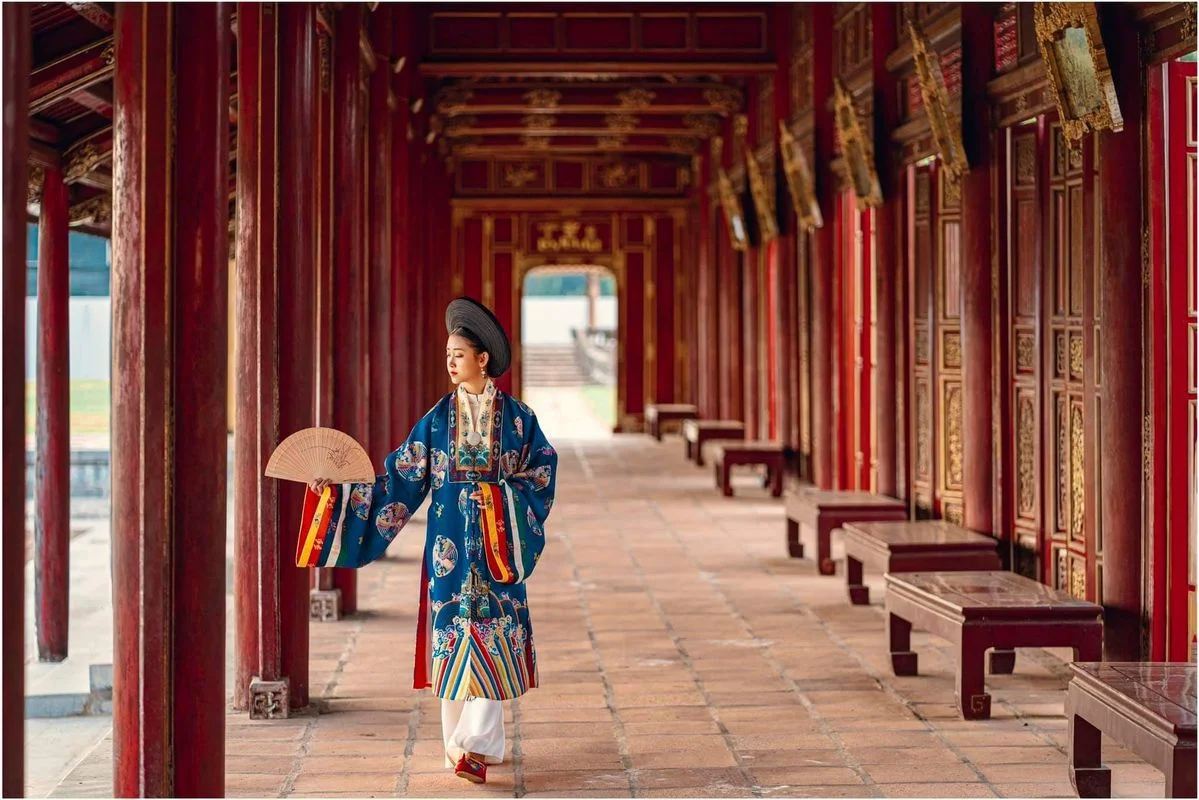
At the heart of the city lies the Imperial Citadel, one of Southeast Asia's most impressive UNESCO World Heritage Sites. Surrounded by imposing stone walls and a wide moat, this vast complex features restored palaces, temples and royal residences that reveal the grandeur of Vietnam's imperial past.
Beyond the citadel, Hue's royal tombs are among Vietnam's greatest architectural treasures. Set within tranquil gardens, lotus ponds and pine-covered hills, each reflects the personality of the emperor it honours. The Tomb of Khai Dinh is renowned for its striking blend of Vietnamese and European architecture, while the Tomb of Minh Mang is admired for its elegant harmony with nature.
Hue's cultural richness extends far beyond its historical landmarks. Ancient pagodas, traditional craft villages and performances of Nhã nhạc - Vietnamese royal court music recognised by UNESCO - continue to preserve the city's remarkable heritage. Combined with its peaceful atmosphere and central location between Da Nang, Hoi An and Phong Nha, Hue is an essential stop for travellers seeking a deeper understanding of Vietnam.
Top things to do in Hue
Hue offers countless opportunities to explore Vietnam's imperial heritage while enjoying its peaceful riverside setting.
Explore the Imperial Citadel
The Imperial Citadel is Hue's most iconic landmark and the heart of the former Nguyen Dynasty. Visitors can wander through grand gates, royal palaces, ceremonial halls and peaceful gardens while learning about one of Vietnam's most significant historical periods.

Visit the Royal Tombs
Scattered throughout the countryside, Hue's royal tombs are masterpieces of architecture and landscape design. Minh Mang, Tu Duc and Khai Dinh each present a unique interpretation of royal life, blending temples, lakes and beautifully landscaped gardens.

Cruise along the Perfume River
A leisurely dragon boat cruise along the Perfume River is one of the most relaxing ways to experience Hue. Whether during the day or at sunset, the journey offers beautiful views of pagodas, traditional villages and riverside landscapes.

Discover Thien Mu Pagoda
Standing beside the Perfume River, the seven-storey Thien Mu Pagoda is one of Hue's most recognisable symbols. Founded in 1601, it remains an active Buddhist monastery and offers panoramic views across the surrounding countryside.

Wander through Dong Ba Market
Dong Ba Market is the city's largest traditional market and a wonderful place to experience local life. Browse colourful stalls selling fresh produce, handicrafts, souvenirs and authentic Hue street food.

Visit An Dinh Palace
Often overlooked by visitors, An Dinh Palace combines elegant Vietnamese and French architectural styles. Once home to Emperor Khai Dinh and Emperor Bao Dai, it offers fascinating insight into Vietnam's final royal dynasty.

Explore Tam Giang Lagoon
Just outside the city lies Tam Giang Lagoon, Southeast Asia's largest brackish-water lagoon. Join local fishermen on a boat trip, photograph peaceful fishing villages and enjoy spectacular sunsets over the calm water.

Taste the Flavours of Hue
Hue is widely regarded as Vietnam's culinary capital, where food reflects centuries of imperial tradition. Once prepared exclusively for emperors, many royal recipes continue to be served today alongside the city's vibrant street food.
No visit is complete without trying Hue beef noodle soup (Bún bò Huế), the city's famous spicy beef noodle soup. Other local favourites include bánh bèo, bánh khoái, bánh nậm and bánh bột lọc, each showcasing the refined flavours that define Hue cuisine.

Dining in Hue is about more than simply enjoying delicious food. Whether you're sharing small plates at a bustling market or experiencing an elegant imperial banquet in a traditional garden house, every meal offers a deeper appreciation of the city's rich cultural heritage.
What's the best time to visit Hue?
Hue can be visited throughout the year, but the best time to explore the city is between February and April, when temperatures are pleasant, rainfall is relatively low and gardens begin to bloom.
The summer months from May to August bring hot sunny weather, making early mornings and evenings ideal for sightseeing. Between September and January, cooler temperatures and occasional rainfall create a peaceful atmosphere, with mist drifting across the Perfume River and historic monuments.

Many travellers combine Hue with Da Nang and Hoi An, creating a memorable journey through Central Vietnam's cultural and coastal highlights.
Where to stay in Hue?
Hue offers accommodation to suit every style of traveller, from luxury riverside resorts to charming boutique hotels and traditional garden houses.
For first-time visitors, staying near the Perfume River provides easy access to the Imperial Citadel, Dong Ba Market and many of the city's best restaurants and cafés.
Travellers seeking tranquillity may prefer boutique resorts surrounded by lush gardens, while families and independent travellers will find comfortable hotels throughout the city centre. Whatever your travel style, Hue's warm hospitality makes it easy to feel at home.

How many days should you spend in Hue?
To fully appreciate Hue's remarkable history, cuisine and relaxed atmosphere, we recommend spending two to three days in the city.
A two-day visit allows enough time to explore the Imperial Citadel, visit several royal tombs, cruise along the Perfume River and sample Hue's famous cuisine. With an extra day, you can cycle through nearby villages, explore Tam Giang Lagoon or simply enjoy the city's slower pace.
Hue also combines perfectly with Da Nang, Hoi An and Phong Nha, making it an ideal stop on a Central Vietnam itinerary.
Ready to book your Hue holiday?
Few destinations in Vietnam tell the country's story as beautifully as Hue. Here, magnificent imperial architecture, peaceful riverside scenery and exceptional cuisine come together to create an unforgettable cultural experience.
Whether you're exploring ancient palaces, discovering centuries-old temples or tasting recipes once prepared for emperors, Hue offers experiences that reveal the heart of Vietnam's rich heritage.
Our tailor-made holidays allow you to experience Hue at your own pace while combining it seamlessly with nearby destinations such as Da Nang, Hoi An and Phong Nha. With carefully selected accommodation, knowledgeable local guides and thoughtfully designed itineraries, we'll help you uncover both the city's famous landmarks and its hidden treasures.
Travel Tips
- Spend 2–3 days to experience Hue's major attractions without rushing.
- Wear comfortable shoes for exploring the Imperial Citadel and royal tombs.
- Visit historical sites early in the morning during the summer months.
- Don't miss local specialities such as bún bò Huế, bánh bèo and bánh khoái.
- Rent a bicycle to explore quiet villages along the Perfume River.
- Bring a light rain jacket if travelling between September and January.
Read this next