
Ha Giang – Vietnam's Untamed Land of Majestic Mountains
Content []
Ha Giang: Where Mountain Roads Touch the Sky
At Vietnam's northern frontier, Ha Giang is a land of towering limestone mountains, winding mountain passes, and breathtaking landscapes that unfold around every bend. More than a destination, it is a journey through some of the country's most spectacular scenery, where remote villages, terraced rice fields, and centuries-old ethnic cultures remain beautifully preserved. Ha Giang isn't a place to rush through—it rewards those who take their time with unforgettable views and authentic experiences.
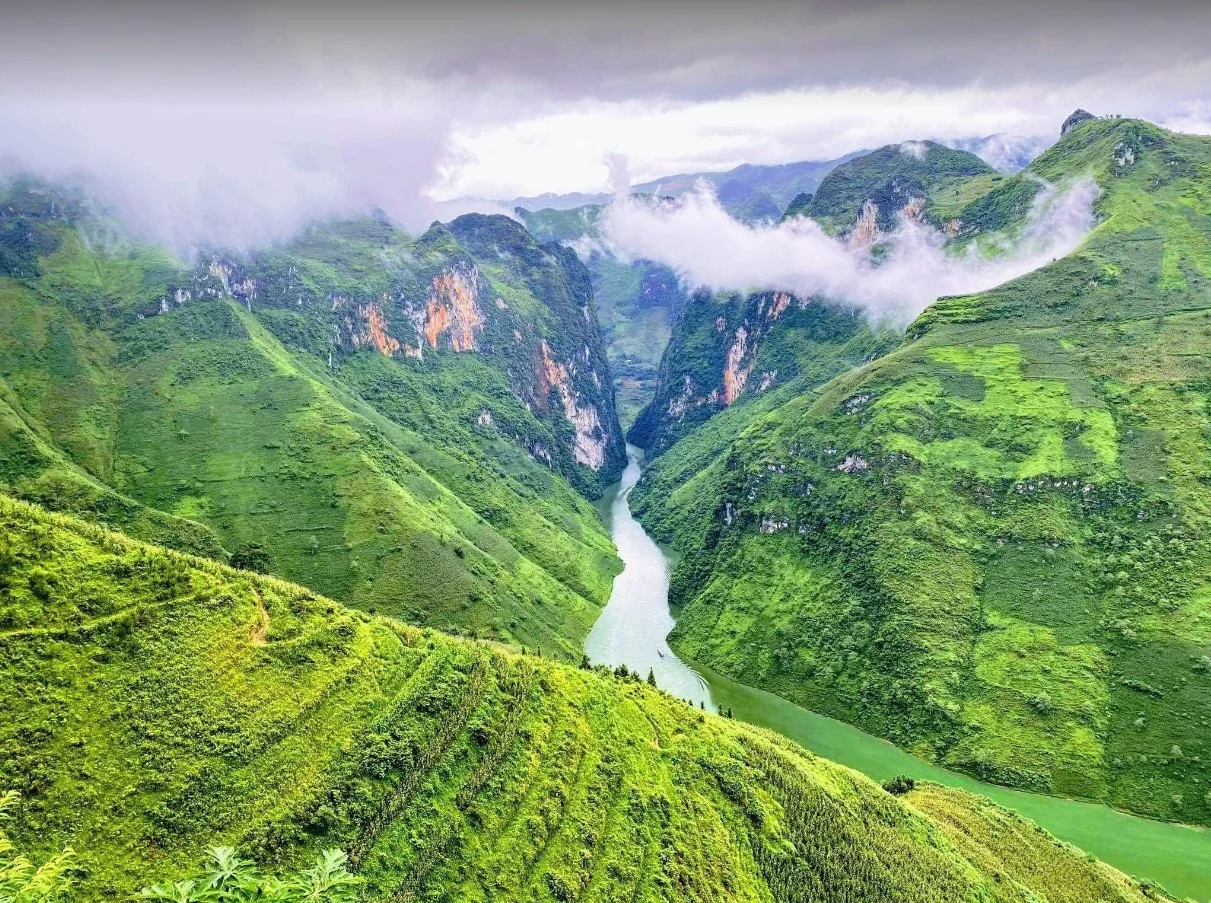
The legendary Ma Pi Leng Pass, often regarded as one of Vietnam's greatest mountain roads, offers dramatic views over towering cliffs and the emerald waters of the Nho Que River far below. Standing high above the valley, surrounded by mountains stretching to the horizon, it's easy to understand why Ha Giang is considered one of Vietnam's most extraordinary travel destinations.
Taste the Flavors of Vietnam's Northern Highlands
Ha Giang's cuisine is simple, hearty, and deeply rooted in the traditions of its ethnic communities. One of the region's most distinctive specialties is au tau porridge, a comforting dish made from the carefully prepared au tau root, slow-cooked with minced pork, eggs, and fragrant herbs. Its slightly bitter flavor may be unfamiliar at first, but it has become a favorite among both locals and adventurous travelers.
Au tau porridge
Another must-try dish is thang co, a traditional Hmong stew often served at highland markets and local festivals. Rich, aromatic, and best enjoyed with a cup of locally brewed corn wine, it offers an authentic taste of mountain life. You should also try men men, steamed cornmeal that has long been a staple food for ethnic communities, reflecting the resilience and resourcefulness of people living on the rocky plateau.
:quality(75)/thang_co_0_d9b0a4ea3b.jpg)
Thang co
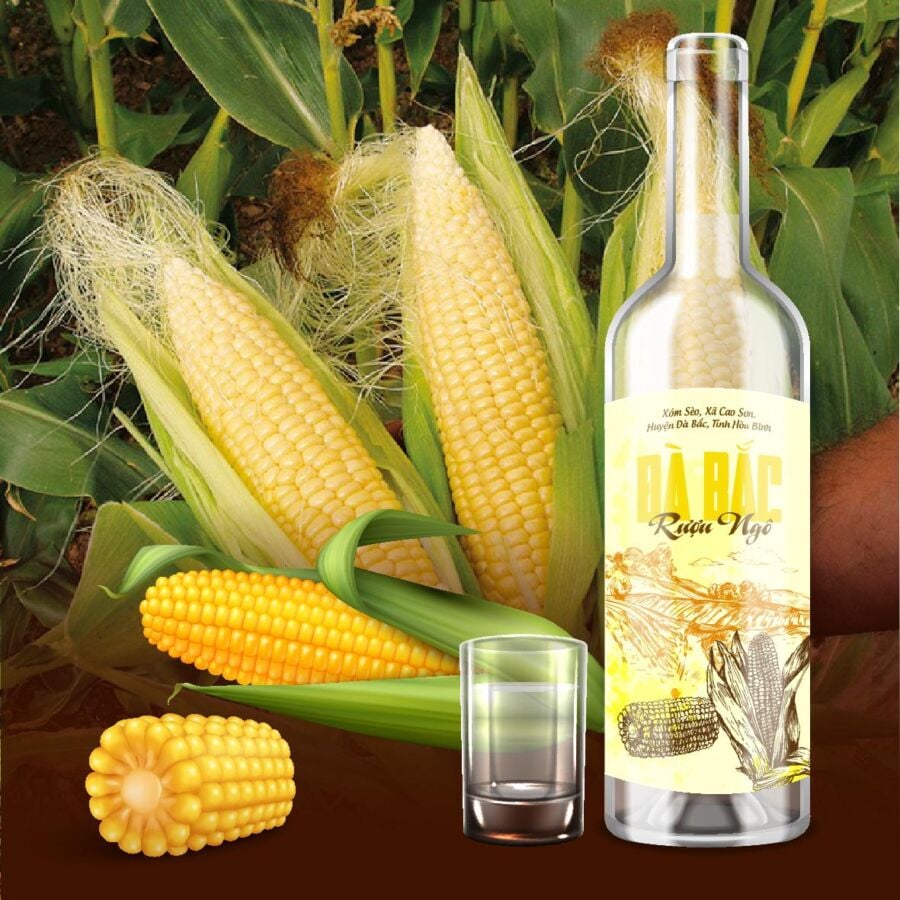
Corn wine
From bustling market stalls to family-run restaurants, every meal in Ha Giang offers more than just local flavors—it tells the story of a culture shaped by the mountains and generations of tradition.
Little Moments You'll Remember Most
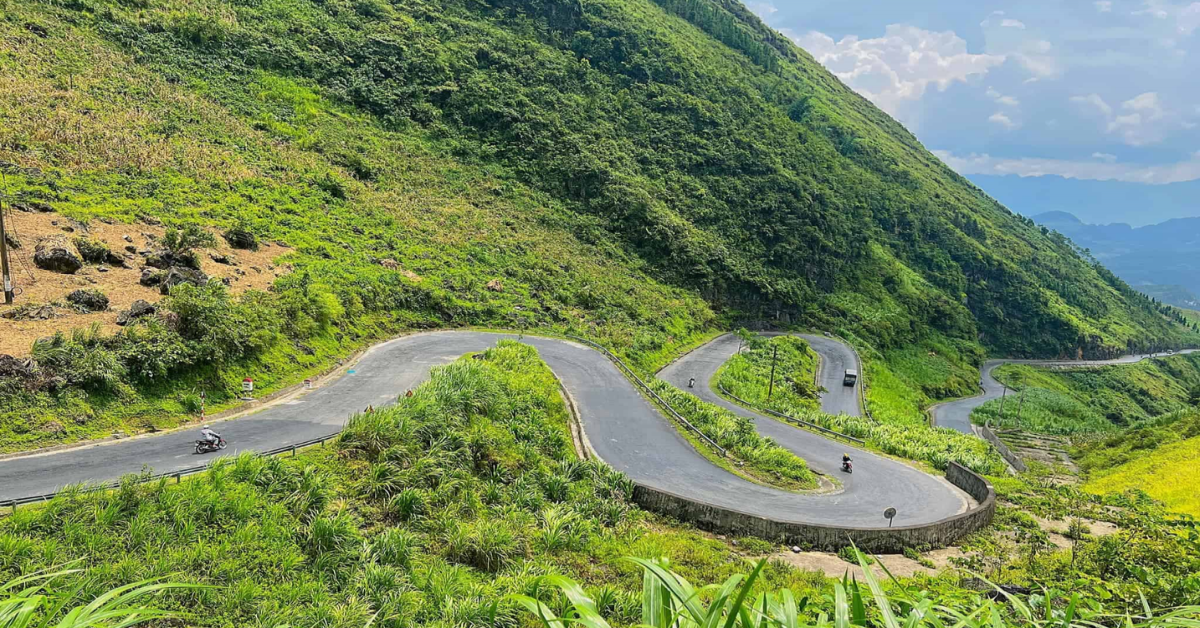
Ride the legendary Ma Pi Leng Pass
Follow one of Vietnam's most spectacular mountain roads as it winds through towering limestone peaks and dramatic valleys. Around every corner, breathtaking views of the Nho Que River and the surrounding highlands make the journey just as unforgettable as the destination.
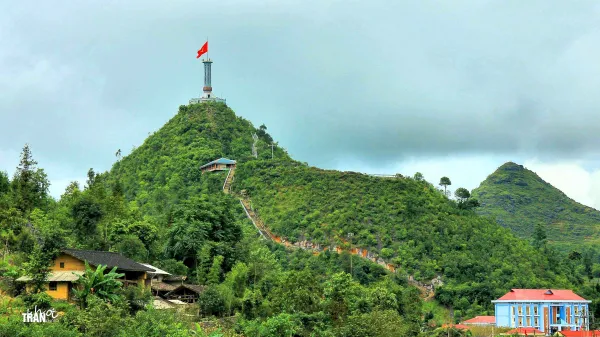
Welcome the sunrise at Lung Cu Flag Tower
Standing at Vietnam's northernmost point, the Lung Cu Flag Tower offers sweeping views across mountains stretching to the horizon. Arriving early to watch the first light illuminate the landscape is a peaceful and memorable experience.
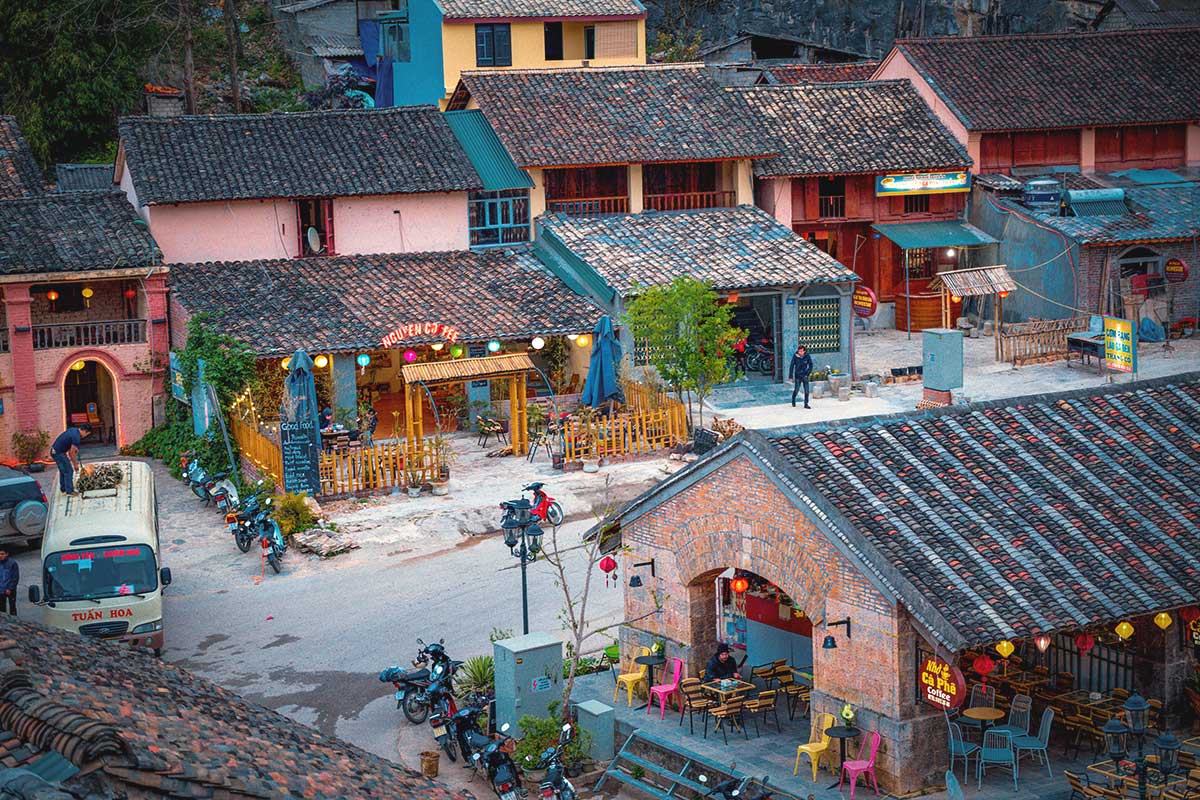
Spend an evening in Dong Van Ancient Town
As night falls, the old stone streets become quiet and inviting. Settle into a traditional café housed in a centuries-old clay-walled home, enjoy a warm drink, and soak in the timeless atmosphere of this historic mountain town.
Explore a traditional highland market
Visit the weekend markets of Dong Van or Meo Vac, where ethnic communities gather to trade handmade textiles, local produce, and livestock. More than a place to shop, these colorful markets offer a fascinating glimpse into everyday life in Vietnam's northern highlands.
.jpg)
Admire the terraced rice fields of Hoang Su Phi
During the harvest season, the mountainsides are transformed into layers of golden rice terraces stretching as far as the eye can see. It is one of the country's most breathtaking landscapes and a paradise for photographers.
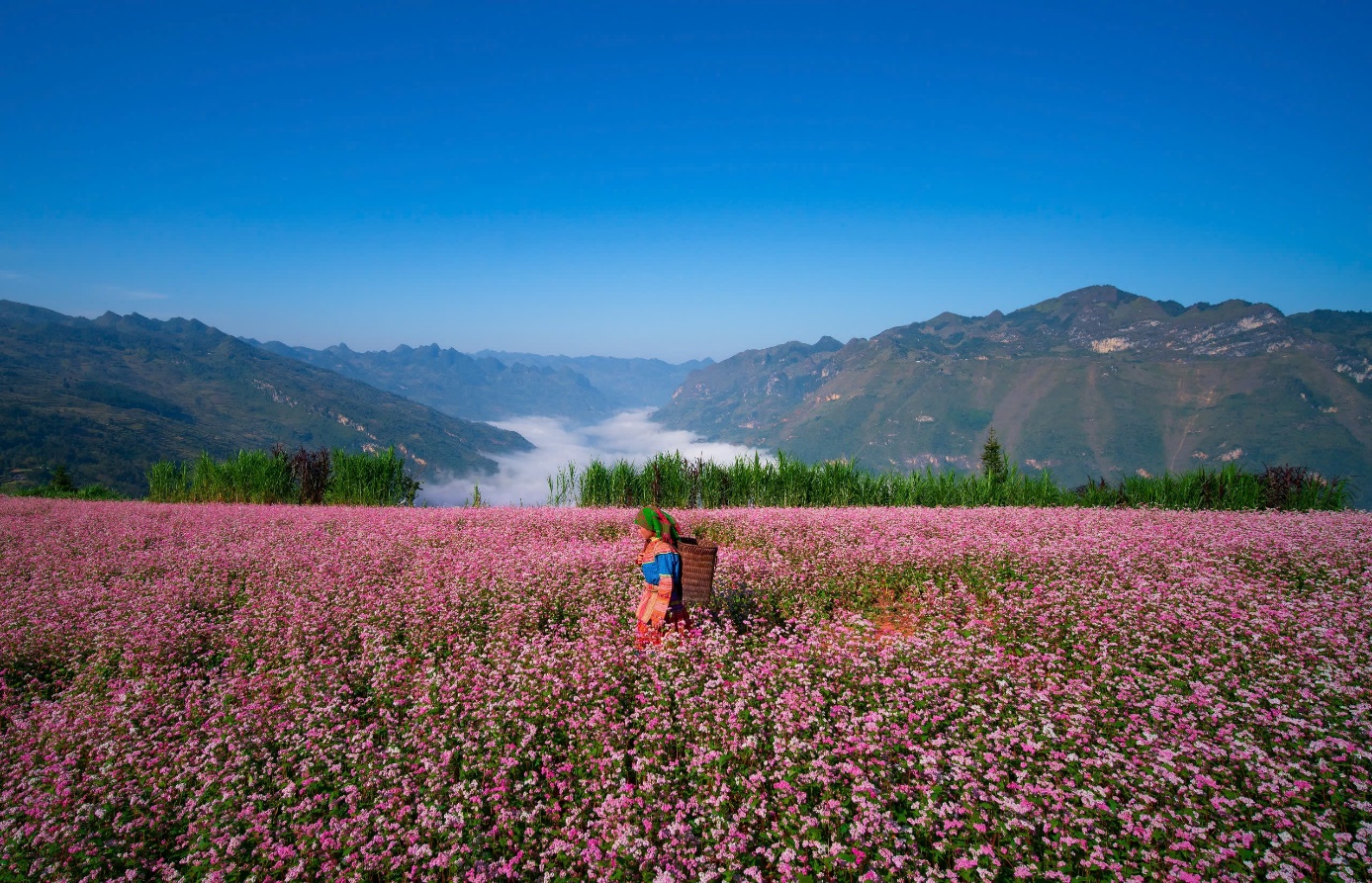
Walk through blooming buckwheat flower fields
Each autumn, delicate pink and purple buckwheat flowers blanket the rocky plateau, softening the rugged mountain scenery. It is one of Ha Giang's most iconic seasonal sights and a favorite time for visitors to experience the region's natural beauty.
Best Time to Visit Ha Giang
Ha Giang is a destination that changes beautifully with the seasons, offering a different experience throughout the year. September and October are among the best months to visit, as the terraced rice fields of Hoang Su Phi turn brilliant shades of gold, creating one of Vietnam's most spectacular landscapes.
From October to December, the rocky plateau comes alive with the soft pink and purple blooms of buckwheat flowers, one of Ha Giang's most iconic seasonal attractions. During January and February, plum and peach blossoms brighten the mountain villages, adding a touch of color to the cool northern highlands.
For the most comfortable road trip, plan your visit during the dry season (October to April), when clear skies and pleasant weather make it ideal for driving the Ha Giang Loop and exploring the region's mountain passes. The rainy season (June to August) brings lush green scenery but also occasional heavy rain, making some mountain roads more challenging to navigate.
Where to Stay in Ha Giang
Whether you choose a traditional homestay in an ethnic minority village, a cozy lodge surrounded by mountains, or a comfortable hotel in Ha Giang City or Dong Van, the region offers accommodation to suit every travel style and budget.
For a truly immersive experience, stay in a local homestay where you can enjoy authentic hospitality, home-cooked meals, and a closer connection to the culture of Vietnam's northern highlands. Travelers exploring the Ha Giang Loop often divide their journey between Ha Giang City, Yen Minh, Dong Van, and Meo Vac, allowing plenty of time to appreciate the region's spectacular scenery.
With a tailor-made journey, your accommodation is carefully chosen to match your itinerary, travel pace, and preferences—ensuring every stop along the way is as memorable as the breathtaking roads that connect them.
Ready to Explore Ha Giang?
Every journey through Ha Giang is different. Whether you're chasing breathtaking mountain passes, discovering the traditions of ethnic minority communities, or simply seeking the freedom of the open road, a tailor-made itinerary allows you to experience Vietnam's northern frontier at your own pace.
Start planning your Ha Giang adventure today and discover a destination where towering mountains, winding roads, and authentic cultural encounters come together to create memories that will stay with you long after the journey ends.
Read this next